
The sermon title is “Living in Covenant as God’s chosen people.” We’ll review the membership covenant for our community. More than a list of rules or expectations; the way we behave towards each other is a reflection of the way that God, through Jesus in the power of the Holy Spirit has designed us to live — in community. We’ll base our review of the covenant document through the lens of Colossians 3:12-17. Before joining, take time to read these few verses in preparation for our worship and communion together.
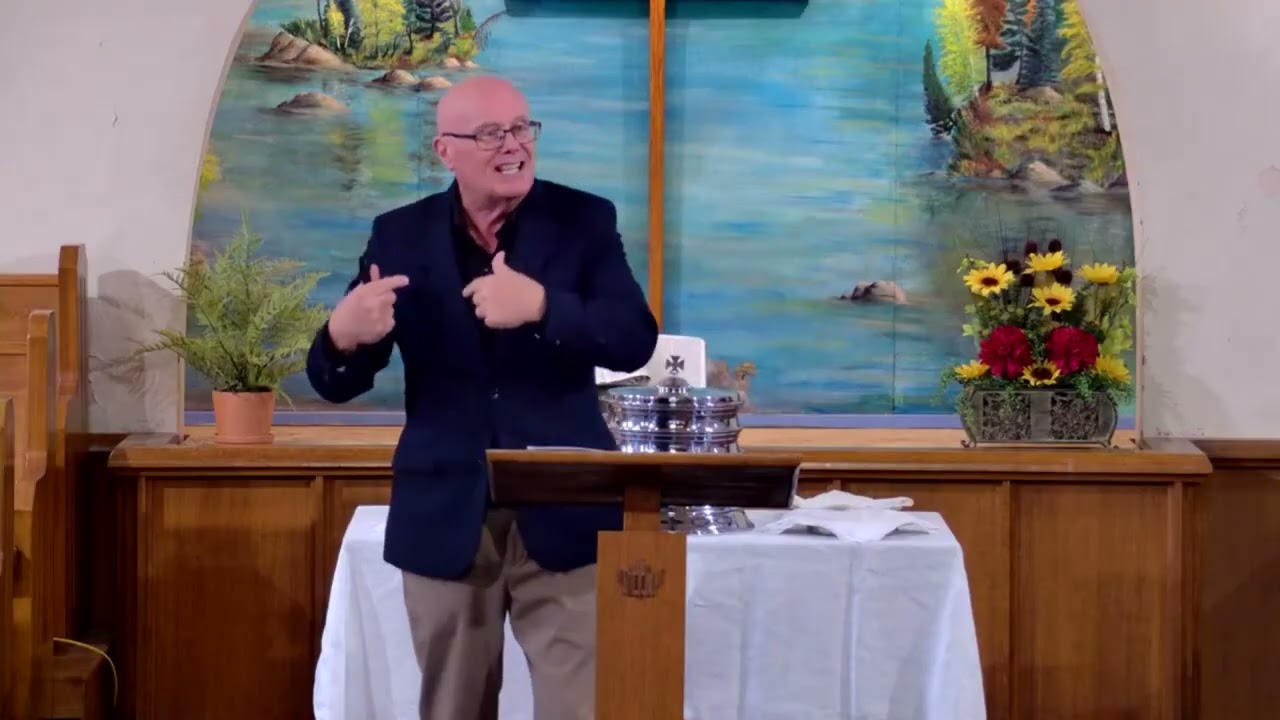
sermon: Living in Covenant … as God’s Chosen People (Colossians 3:12-17) with Rev. David Donaldson
Follow-up Questions
- Paul calls believers “chosen by God, holy and dearly loved.” This is our new identity, but difficult to understand. And, practically, how does this – deeply loved and chosen – change the way you treat others?
- Why do you think Paul attaches the command “be thankful” right after talking about peace and unity?
- Brain scientists have identified that our brain actually focuses on negative or positive issues based on our habits. What practical steps can we do to re-program our brains from being negative, critical, complaining to hopeful, thankful, encouraging?
- Is there an area of your life right now where it feels difficult to give thanks? How can your church community support or pray for you in that specific area? (let us know via email.)
Living as God’s Chosen People: 10 Simple Ways to Build a Strong Church Family
4 min read
What does it look like to live well together as a church family?
The Bible paints a simple but powerful picture. In Colossians 3:12-17, believers are encouraged to clothe themselves with compassion, kindness, humility, gentleness, patience, forgiveness, love, peace, and thankfulness.
These aren’t just nice ideas. They’re practical habits that help a community thrive.
Here are 10 simple ways we can put these truths into practice.
1. Remember Who You Are
If you follow Jesus, you are loved by God and part of His family.
Our relationship with one another starts there. We don’t earn God’s love. We receive it. Because we have been shown grace, we can show grace to others.
2. Take Responsibility for Your Spiritual Growth
Paul tells believers to “clothe yourselves” with godly character and to let Christ’s message dwell in them richly.
In other words, spiritual growth is not something that happens by accident.
Churches can provide worship services, Bible studies, and learning opportunities, but each person is responsible for taking steps to grow closer to Christ.
3. Use Your Gifts to Serve
Every church has needs. Some are visible, and some happen behind the scenes.
Whether it’s helping at an event, preparing a room, making a meal, leading a ministry, or encouraging someone in need, everyone has something to contribute.
The church is not “them.” The church is all of us.
4. Be a Good Steward
God has entrusted us with time, abilities, money, and opportunities.
Faithful stewardship means using those resources wisely and generously for God’s purposes and the good of others.
5. Encourage and Support One Another
Support doesn’t always require a big program.
Sometimes it looks like making a phone call, inviting someone for coffee, praying for a friend, or checking in after hearing a prayer request.
Small acts of care can make a big difference.
6. Respect Shared Spaces
Living in community also means being considerate.
Many church spaces serve multiple groups throughout the week. Leaving a room clean, organized, and ready for the next group is a simple way to serve others.
Thoughtfulness is a form of love.
7. Pursue Unity and Reconciliation
Disagreements happen in every community.
When they do, resist the temptation to complain about someone to others. Instead, talk directly and graciously with the person involved.
Most conflicts grow when they’re ignored. Many can be resolved through honest conversation, listening, and understanding.
8. Welcome Accountability
Being teachable is part of Christian maturity.
Sometimes we need encouragement. Sometimes we need correction. Healthy accountability isn’t about judging people; it’s about helping each other grow.
When someone is struggling, the goal is always restoration, not punishment.
9. Focus on the Essentials
Christians may disagree on many secondary issues, but we remain united around the core truths of the faith.
A helpful principle is:
- In essential matters, unity.
- In non-essential matters, liberty.
- In all matters, charity.
Love should shape every conversation.
10. Choose Gratitude
One theme appears repeatedly in Colossians 3: be thankful.
Our minds naturally focus on whatever we train them to notice. If we focus on complaints, we’ll always find something wrong. If we focus on gratitude, we’ll discover countless reasons to give thanks.
Thankfulness can be as simple as appreciating a sunny day, a cup of coffee, a good friend, or a moment of peace.
As gratitude grows, it changes the way we see the world.
A Final Thought
A healthy church is not built by policies, programs, or paperwork alone. It’s built by people who choose, day by day, to live out the character of Christ.
Compassion. Kindness. Humility. Patience. Forgiveness. Love. Peace. Gratitude.
When we practice these things together, we become the kind of community God calls us to be.