
At its simplest form, a covenant is an agreed upon set of expectations in a relationship; it defines what “proper behaviour” is. As we consider our life in “a community of Christ” (as our vision states), it is good to remind ourselves of what is expected of an individual in the church and what’s expected by the individual of the church. This Sunday is the first of a two-part sermon describing the biblical basis of covenant — the “why” of covenant living. Our focus is on the way Jesus lived and let him be our model, based on Philippians 2:1-4
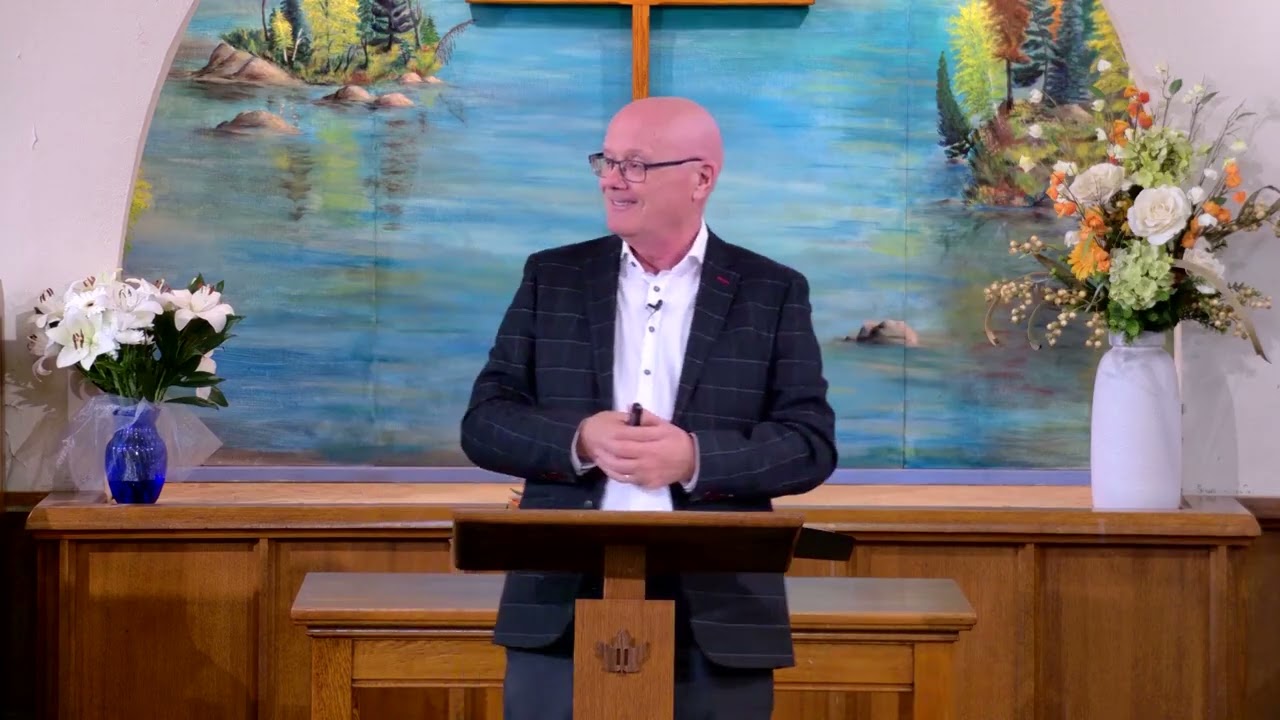
sermon: Understanding of Covenant: Living Like Jesus…in Community (Philippians 2:1-4) with Rev. David Donaldson
Follow-up Questions
- Paul assumes that believers have experienced Christ’s encouragement, love, fellowship, tenderness, and compassion (v.1). Which of these realities have you experienced most deeply in your walk with Christ, and how might that shape the way you relate to others in the church?
- Unity does not require everyone to think alike, but it does require commitment to one another because we belong to Christ. What are some practical ways we can protect and strengthen unity in our church when differences or conflicts arise?
- The sermon described humility as “thinking of ourselves less” rather than “thinking less of ourselves.” Can you think of someone who models this kind of humility? What specific habits or attitudes help cultivate that kind of Christ-like character?
- Philippians 2:4 calls us to look to the interests of others, while also recognizing the need for healthy rhythms of rest and spiritual renewal. How do you balance caring for others with caring for your own spiritual, emotional, and physical well-being?
How a Healthy Church Community Works
A church covenant can sound like a list of rules. But it is really a shared promise about how people will live together. Every group has expectations, even when nobody writes them down. Naming those expectations helps everyone know what care, honesty, and responsibility look like.
Start with love
The foundation is agape, a Greek word for love that seeks another person’s good. It asks, “How can I help you grow and flourish?” Christians believe this love comes from Jesus and shapes everyday relationships. As Acts 17:28 says, “In him we live and move and have our being.” Faith is not only private. It changes how people listen, speak, disagree, forgive, serve, and rest.
Unity does not mean sameness
Philippians 2:1–2 describes a community marked by encouragement, comfort, love, compassion, and the shared life of the Spirit. Paul’s point is not that everyone must think, dress or act alike. Unity means people stay committed to one another because they belong to Christ. Differences remain real, but they do not erase the common ground.
In practice, this means speaking with people instead of speaking about them, seeking reconciliation when conflict happens, and putting Christ’s mission ahead of personal preferences.
Humility pays attention to others
Philippians 2:3 says, “Do nothing out of selfish ambition or vain conceit. Rather, in humility value others above yourselves.” Humility is not pretending to be worthless. It is being secure enough to stop making everything about yourself. A humble person listens, takes a real interest in others, admits mistakes, stays teachable, and does not need credit for every good thing.
- Listen before speaking.
- Encourage and honour others.
- Reject gossip, pride, and competition.
- Admit when you are wrong.
Care for others—and remember to rest
Philippians 2:4 says we should look not only to our own interests, but also to the interests of others. The word “only” matters. Caring for others does not mean running yourself empty. Genesis 2:2–3 shows God resting after creation, and Exodus 20:8–11 commands a Sabbath rhythm. Rest is not laziness; it helps people keep loving and serving well.
A healthy community serves rather than demands service. People carry one another’s burdens, pray for one another, offer encouragement, and make room for newcomers, lonely people, and those who are hurting.
The big idea
A church covenant is not paperwork for its own sake. It describes what love looks like when people share real life: unity without sameness, humility without pretending, service without burnout, and honest steps toward peace. Philippians 2:5 sums it up: “Your attitude should be the same as that of Christ Jesus.”