
We are in the period that some traditions call Eastertide – the 50 days after Jesus’ resurrection before his ascension at Pentecost. It appears that some of the disciples went back to fishing – we can only speculate about their motives. During their overnight fishing trip, Jesus shows up on the beach with bread and fish cooking on a fire for breakfast. After breakfast, Jesus and Peter have a conversation that shows the depth of Jesus’ forgiveness for Peter’s denial (during Jesus’ trial.) Many Bibles title this scene as “Jesus reinstates Peter.” We can take many lessons from this account, lessons that inform how we live in community for our communities.
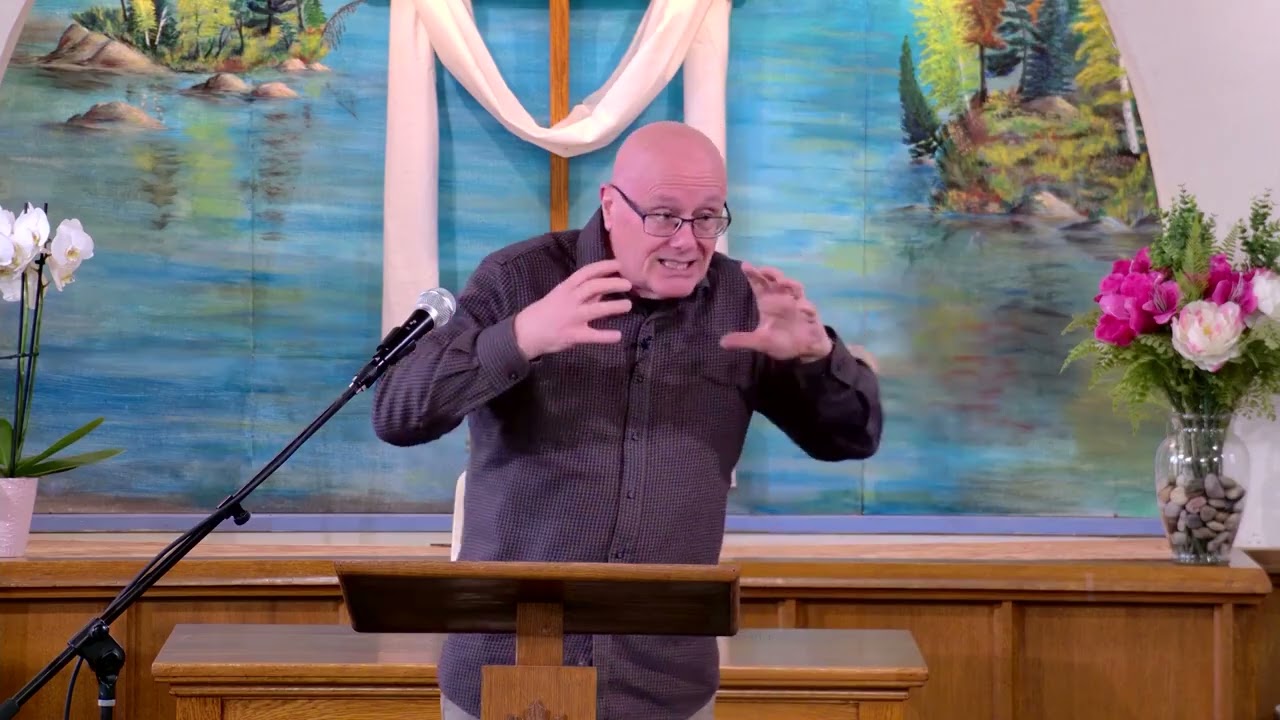
sermon: Unfinished Business (John 21:1-22) with Rev. David Donaldson
Breakfast on the Beach: When Jesus Meets Us Where We Are
Imagine this scene.
You’re on a beach early in the morning. You smell a fire. You hear waves rolling in. The sun is just coming up. You’re tired, confused and unsure what comes next.
That’s where the disciples were.
After Jesus had risen from the dead, but before everything made sense, Peter and the others went back to fishing. Not for fun. This was their old job, their old life, something familiar they could control. All night, they caught nothing.
Then someone called out from the shore.
“Friends, haven’t you any fish?” (John 21:5)
They didn’t know it was Jesus at first. But when they did what he said (throwing the net on the other side of the boat) the net filled with fish. Suddenly, it clicked.
It was Jesus.
Going Back vs. Being Called Forward
It’s easy to understand why they went back to fishing. When life feels uncertain, we often return to what’s comfortable, even if it’s not what we’re meant for anymore.
Jesus doesn’t scold them for this. He simply calls out to them again, just like he did at the beginning. No shame. No anger. Just an invitation.
That’s important.
Jesus meets people in confusion gently, not harshly.
Breakfast and a Brave Conversation
On the beach, Jesus had breakfast ready: bread and fish over a fire (John 21:9–13). After they ate, Jesus turned to Peter, the same Peter who had denied knowing him three times.
Jesus asked him a simple question:
“Simon son of John, do you love me?” (John 21:15–17)
He asked it three times.
That wasn’t an accident.
Each question gently echoed one of Peter’s denials. But instead of rubbing Peter’s failure in his face, Jesus gave him a way forward. Every question erased a piece of shame. Every answer rebuilt trust.
Jesus didn’t re-open old wounds; he redeemed them.
Two Kinds of Love
In the original language, Jesus and Peter use two different words for love:
- Agape: strong, self‑giving, action‑based love
- Phileo: warm, affectionate, friendship love
Jesus invites Peter into deep, committed love, but also honors Peter’s honest affection. Both kinds of love matter.
Faith isn’t just doing the right things. It’s also wanting to be close to Jesus.
A New Name, Not the Old One
Jesus calls Peter by his old name: Simon, son of John. That sounds strange because Jesus had already named him Peter.
It’s a reminder: Peter briefly slipped back into his old way of living. But Jesus doesn’t leave him there. Instead, he gives him a renewed calling:
“Feed my sheep.” (John 21:17)
In other words: Take care of people. Love them the way I love you.
Shame Doesn’t Get the Last Word
The Bible is clear: Jesus carried our shame so it wouldn’t define us anymore.
- “For the joy set before him, he endured the cross, scorning its shame.” (Hebrews 12:2)
- “Anyone who believes in him will never be put to shame.” (Romans 10:11)
Peter’s worst moment wasn’t the end of his story—and neither is ours.
A spoken‑word poem by Hosanna Wong explores identity—how people carry labels like failure, unworthy, or forgotten. Wong describes hearing those old names echoed in her mind, then contrasts them with the new name God gives: beloved, forgiven, chosen. The piece powerfully echoes Peter’s story, moving from shame toward renewal, from old identity to new life.
What This Story Invites Us to Ask
- What do we go back to when life feels uncertain?
- What old name or label do we still carry?
- Where might Jesus be gently calling us forward again?
On the beach, Jesus didn’t rush Peter. He fed him. He spoke kindly. He invited him back into purpose.
And he still does.