
Continuing our brief look at a few experiences in the first church, we continue to see their habit and pattern of prayer first, then programs.
In Acts 6, the growing church faced a problem in its food distribution system. They prayed and acted.
In Acts 13, the church in Antioch were worshipping and praying and discerned that the Holy Spirit was calling them to commission and send Saul and Barnabas for their mission. Again, prayer and worship produced the environment where discernment happened.
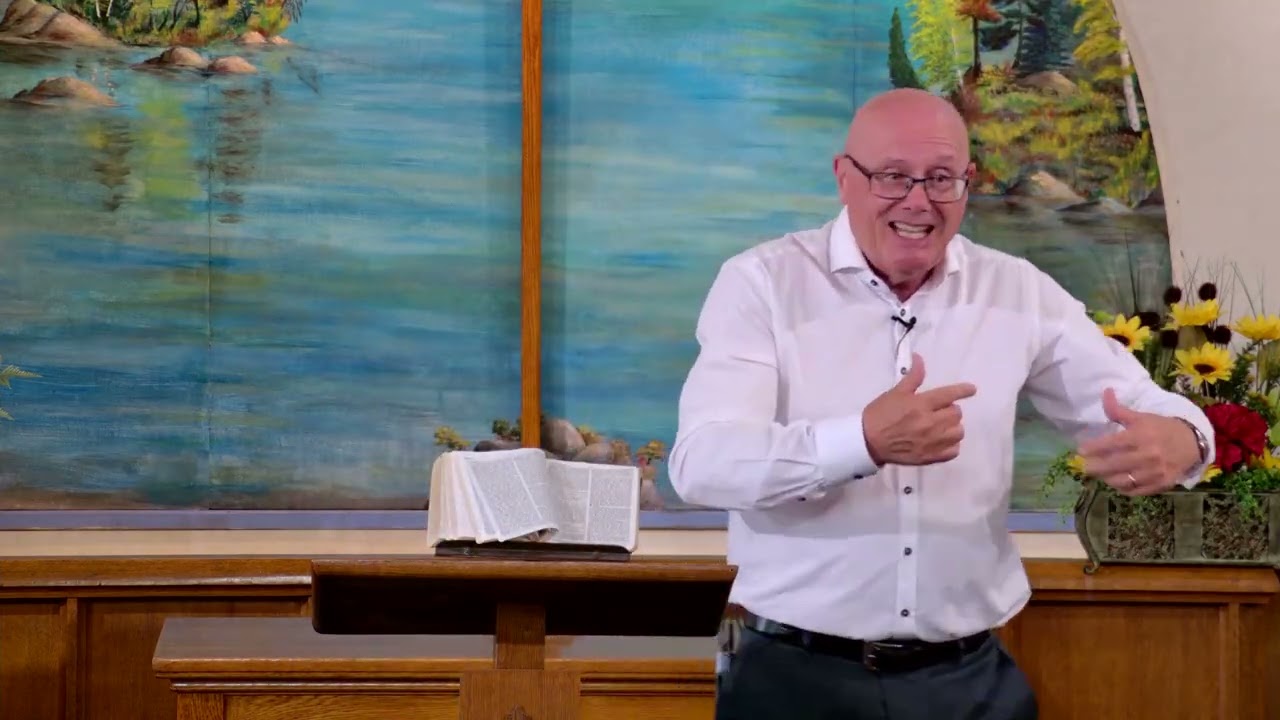
sermon: Prayer Before Programs (Acts 6:1-7, 13:1-3) with Rev. David Donaldson
Follow-up Questions
- Growth and Tension: Acts 6 shows that growth brought both opportunities and challenges to the early church. In your experience, what kinds of tensions can arise when a church grows, and how can we address those tensions in ways that build unity rather than division?
- Prayer as a Priority: The apostles refused to let important ministry demands distract them from prayer and the ministry of the Word. Looking at your own life and our church, what practical changes might help prayer become a greater priority rather than an afterthought?
- Discerning God’s Mission: In Acts 13, the church prayed, worshiped, and listened before sending out Paul and Barnabas. How can we better cultivate a culture of listening to the Holy Spirit so that we discern God’s direction rather than simply pursuing our own plans and programs?
Why Growth Gets Messy (And Why That’s a Good Thing)
Growing sounds exciting. More people. More ideas. More opportunities. But growth also brings something else: complexity.
Think about a sports team that suddenly doubles in size. At first, it feels like a win. But soon there are new questions: Who does what? How do we make sure everyone is included? How do we handle disagreements?
The same thing happens in every healthy community.
One of the most important lessons we can learn is this:
Growth creates pressure. Pressure creates opportunities to grow.
When problems appear, it’s tempting to look for someone to blame. But strong leaders do something different. Instead of attacking people, they focus on solving the problem.
They listen. They look for wise, trustworthy people to help. They work together.
Another surprising lesson is that no task is “too small” to matter.
Many people think leadership is about being publicly seen or making big decisions. But healthy communities thrive because people serve in countless ways behind the scenes: organizing, helping, welcoming, cleaning, caring, and supporting others. The work may look ordinary, but its impact is extraordinary.
So how do we know what to do when challenges come? The answer is simpler than we often think: slow down before speeding up.
Many times we search for shortcuts. We want the perfect planner, the perfect app, or the perfect strategy. But wisdom usually comes from creating space to think, reflect, listen, and pray.
Activity alone is not the same as effectiveness.
A busy schedule can make us feel productive while distracting us from what matters most.
Communities thrive when they pause long enough to ask important questions:
- What are we being called to do?
- Who is being called to lead?
- What needs are we overlooking?
- How can we serve others well?
When we make space to listen, we often discover that the next step is already right in front of us.
Growth will always bring challenges. That’s normal. The goal is not to avoid the pressure. The goal is to let it shape us into wiser, humbler, and more caring people.
Because the deepest work happens in us before the greatest work happens through us.