There are moments when we feel overwhelmed by the injustices that surrounding us … and no response from God (that we can se). Our service will walk with the prophet Habakkuk, who dared to bring his honest questions and frustrations to God. If you’ve ever wondered where God is in the midst of what feels unfair or unresolved, perhaps God’s response to Habakkuk (and to us) will offer both solidarity and hope.
sermon: WT, G (selected verses from Habakkuk) with Rev. Alvin Lau
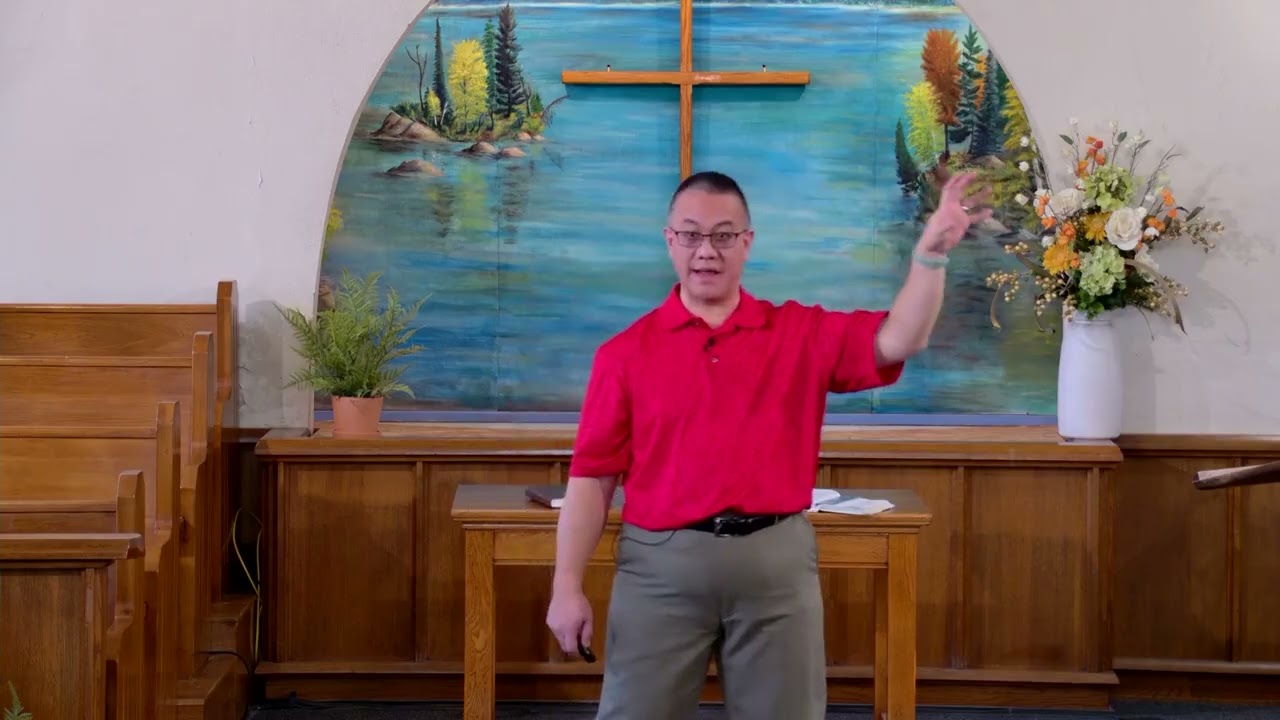
When Life Feels Unjust: Learning to Wait with Habakkuk
Sometimes the world feels upside down. We see violence, injustice, bullying, poverty, disasters, and stories in the news that leave us saying, “God… what is going on?” From the Alex Pretti killing to the violence in Nigeria, from those who are abused and bullied to those who are unhoused. That feeling isn’t new. In the Bible, a man named Habakkuk wrestled with the very same questions.
Habakkuk lived around 600 BC, during a time when the kingdom of Israel was invaded by the Assyrians and soon the kingdom of Judah by the Babylonians. People ignored God, the courts were corrupt, and powerful empires were invading smaller nations. Habakkuk looked around and asked the question many of us still ask:
“How long, O Lord, must I call for help?
But you do not listen.
Violence is everywhere!”
— Habakkuk 1:2–4
Habakkuk wanted God to fix the injustices he saw—but God’s answer surprised him. God said that another nation, the Babylonians, would soon rise up and bring judgment (Habakkuk 1:6). That didn’t feel like good news. Habakkuk couldn’t understand why a violent empire would be allowed to succeed.
So he pushed back:
“You are pure… will You be silent while the wicked swallow up people more righteous than they?”
— Habakkuk 1:13
God’s response was simple:
“If it seems slow in coming, wait patiently,
for it will surely take place.”
— Habakkuk 2:3
In other words: Justice will come. But not instantly. God sees what we see—He simply works on a different schedule.
Then comes a beautiful turning point. After hearing God’s reassurance, Habakkuk prays:
“Lord, I have heard of Your fame;
I stand in awe of Your deeds, O Lord.
Renew them in our day,
in our time make them known;
in wrath remember mercy.”
— Habakkuk 3:2
Habakkuk doesn’t pretend everything is fine. He asks God to act again, to bring justice and mercy together. At the end of his struggle, Habakkuk didn’t get every answer. But he found a new posture of trust:
“Even though the fig trees have no blossoms…
yet I will rejoice in the Lord.
The Sovereign Lord is my strength.”
— Habakkuk 3:17–19
When life feels unfair, Habakkuk reminds us:
We can pray honestly, examine our own hearts (and ways we contribute to the injustices around us), take the next small faithful step, and wait with hope—because God’s justice and mercy will not fail.