Through the book of Acts, at different moments, the early church paused to pray when needed. They responded to God in prayer—praise, repentance, asking and yielding—and how each of these movements invites us into a deeper posture of worship.
Follow-up Questions
- Would you have responded in the same way in the 4 passages we looked at? (If not, what would your response have been?)
- Which part of P.R.A.Y. do you find easiest to pray? Which part is the hardest to pray?
- What’s one step you want to take to deepen your prayer time with God?
A Simple Way to Pray When You Don’t Know What to Say
Ever felt like your prayers are… kind of basic? You’re not alone. Sometimes we rush in, say a few things, and move on. But the Bible shows us a richer, deeper pattern, one that helps us connect more deeply with God.
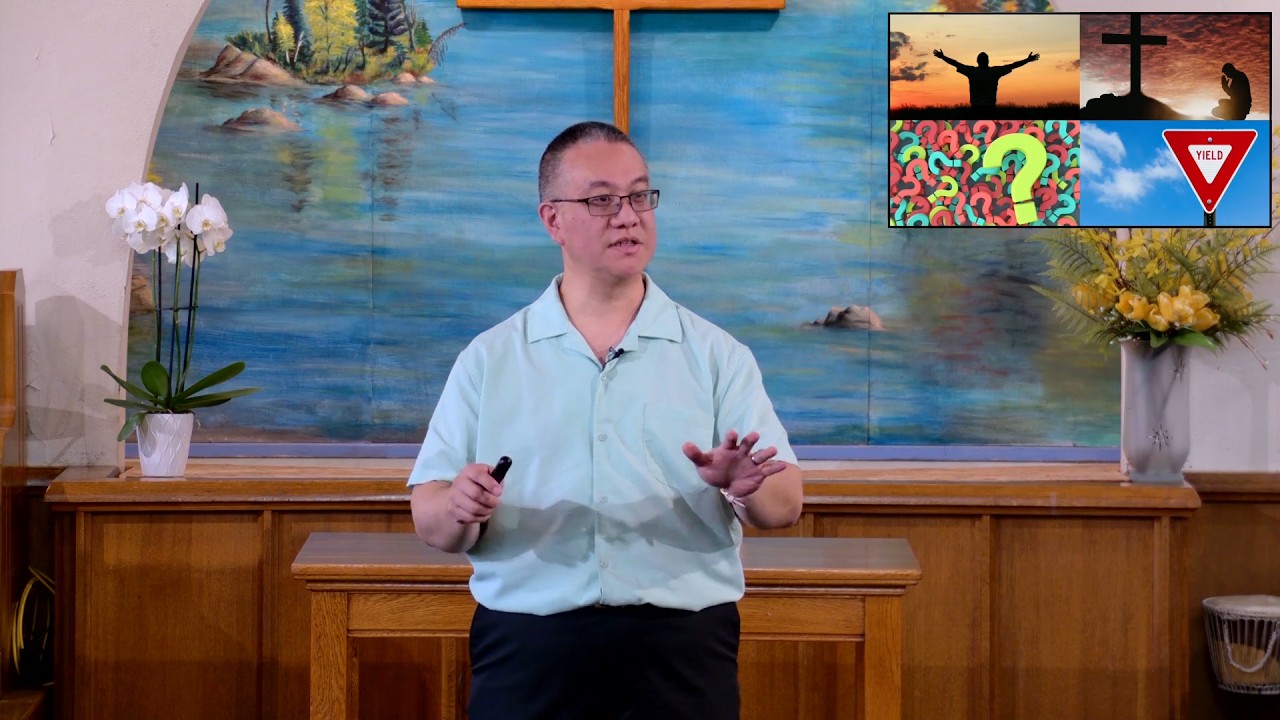
Here’s a simple way to think about prayer using four steps: Praise, Repent, Ask, Yield (PRAY).
1. Start with Praise (P)
Before asking for anything, pause and remember who God is.
The early church did this naturally. They “devoted themselves… to fellowship… and to prayer” (Acts 2:42). Their lives were filled with gratitude and awe.
What this means for you:
Tell God what you love about Him. Thank Him for what He’s done. It reminds your heart that God is good and in control.
2. Be Honest and Turn Back (R)
Next comes repentance. That’s not a scary word—it just means turning back to God when we’ve gone the wrong way.
In Acts 6, when tensions rose in the church (i.e. some people being treated unfairly) they didn’t ignore it. They faced it and made it right (Acts 6:1–6).
What this means for you:
Think: Is there something I need to change?
Maybe it’s an attitude, a choice, or how you treated someone.
You can simply say:
“God, I messed up. Help me do better.”
3. Ask for What You Need (A)
God actually wants you to ask Him for things.
When Peter was thrown into prison, the church stopped and prayed “earnestly” for him (Acts 12:5). And God responded in an unexpected way by setting Peter free (Acts 12:6–11).
What this means for you:
Tell God what’s on your mind—big or small.
Jesus said, “Ask and it will be given to you” (Matthew 7:7). That doesn’t mean you’ll always get what you want, but it does mean God listens and cares.
4. Learn to Listen (Y)
This might be the hardest part.
After praising, confessing, and asking… stop. Be quiet.
In Acts 13, believers were praying and fasting when the Holy Spirit spoke and guided them (Acts 13:2–3).
What this means for you:
Give God space to respond.
Sometimes it’s a thought, a conviction, a prompting or clarity that comes later.
Psalm 46:10 says, “Be still, and know that I am God.”
Putting It All Together
A simple prayer might look like this:
- Praise: “God, You are good and faithful.”
- Repent: “I’m sorry for how I handled that situation.”
- Ask: “Please help me with this challenge.”
- Yield: (Pause… listen… trust)