
It’s almost here! The most joyous day of the Christian year – Resurrection Sunday! After the darkness of the last four days – Jesus’ betrayal, arrest, a mock trial filled with lies, whipping, a crown of thorns, and a tortuous death nailed on the cross – after all of this, a burst of blinding light. Actually, illuminating light, for on Easter morning Jesus rose from the grave, defeated death and made a way for us to be with him forever.
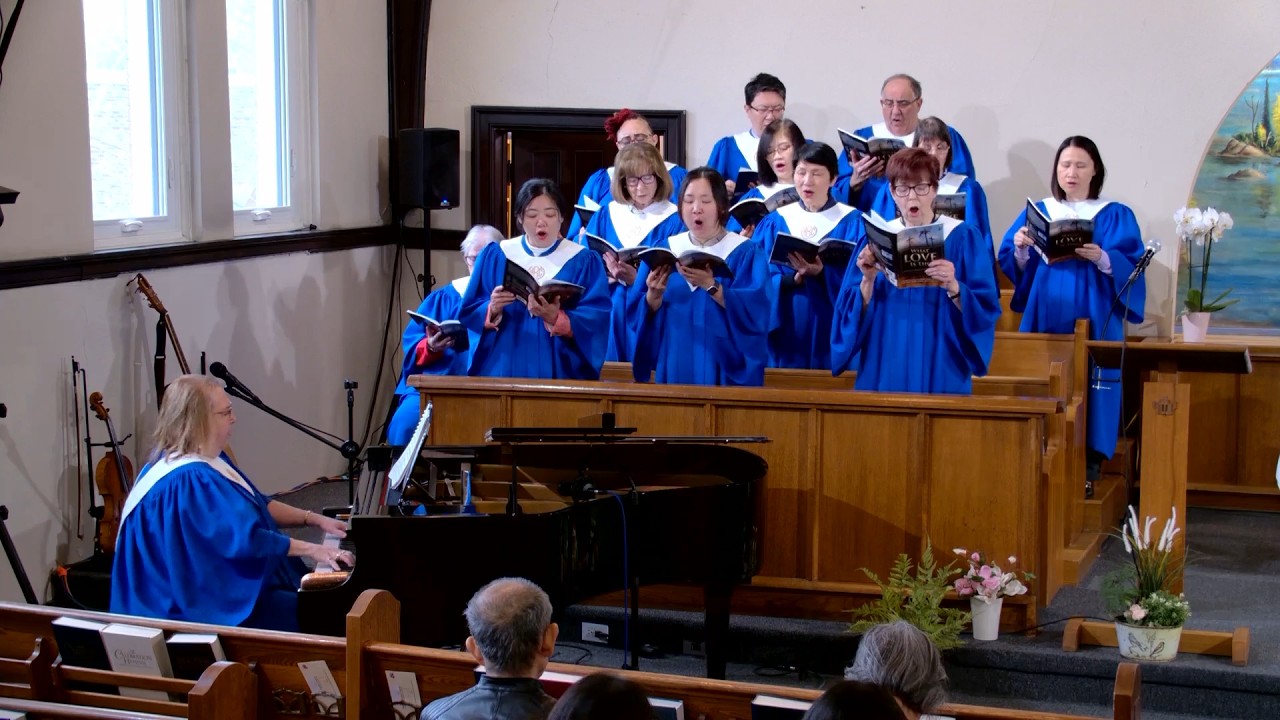
On this Easter Sunday morning, we celebrate all of this and more, through Scripture, prayers, songs of joy, and a dramatic cantata entitled, “What Love is This? – Suffering Servant, Conquering King.”
cantata: What Love is This?
Follow-up Questions
- What kind of love would willingly walk through betrayal, suffering, and the cross—and why is that question still meant to be asked today?
- Where in your life might Jesus be inviting you to trust Him more deeply or take one step closer, even if that step feels uncomfortable or costly?
- What is your next step? (To ask more questions about who Jesus is? To follow him unconditionally? To share your commitment through baptism? To join a church family? To serve alongside others in ministry teams?)
What Love Is This?
Cantata Synopsis: What Love Is This by Lloyd Larson
What Love Is This by Lloyd Larson is a choral cantata that walks through the Easter story—from joyful praise to painful sacrifice, and finally to resurrection hope. Beginning with Palm Sunday, the cantata shows how cheers can turn into betrayal, how love can lead through suffering, and how death is not the end of the story.
Through Scripture, narration, and music, the cantata asks a simple but powerful question: What kind of love would choose the cross? It does not hide the ugliness of betrayal, fear, and grief, yet it reveals a beauty that comes through sacrifice. The story moves toward its final truth: the same Jesus who died also rose again, and that love continues to change lives today.
A Question Worth Asking
Near the end of the story, one question rises above all others: What love is this?
It’s a question we don’t always stop to think about. Especially around Easter, the story can feel familiar. But when we slow down, we realize it isn’t a neat or “pretty” story. At times, it is dark, painful and uncomfortable. And yet, it is also the clearest picture of perfect love the world has ever seen.
This love looks straight at betrayal, shame, fear and failure—and still says, I want you with me.
Love That Faces Our Hidden Places
We all have parts of our lives we would rather keep hidden. Moments we regret. Choices we wish we could undo. Sometimes, when we look honestly at ourselves, we realize this is not how life was meant to be.
Jesus sees those hidden parts and does not turn away.
There are moments when we, knowingly or unknowingly, betray Him with our choices. Yet His love is not surprised by our failure. Instead, it reaches toward us again.
This is the kind of love that does not give up.
Love Proven by Resurrection
The story does not end at the cross.
The Bible tells us that the tomb was empty. Jesus was not defeated by death.
“He is not here; he has risen, just as he said.” — Matthew 28:6
Many have tried to explain this away. But the truth remains: Jesus is alive. And if He could keep this promise, then every other promise He made can also be trusted.
Resurrection changes everything.
It turns fear into trust … self-preservation to self-sacrificial love … death on a cross to hope in the resurrection.
Love That Invites a Response
This love does not force itself on anyone. Instead, it offers an invitation:
“Come, follow me.”
That invitation can feel simple—but it can also feel uncomfortable. Following Jesus means letting go of doing life our own way and learning to trust the One who created us. It means choosing love over self‑protection, and sometimes sacrifice over comfort.
But it is also an invitation filled with grace.
Love That Still Calls Us Forward
The heart of the Easter story is not just something to remember; it is something to respond to.
This love invites each of us to take one step closer, wherever we are on the journey. For some, that step is learning more. For others, it is choosing to follow. For still others, it is trusting again after failure.
Whatever that next step looks like, share it with someone you trust. Whether that step is:
- to ask questions as you explore deeper into who Jesus is
- to accept his invitation to follow him unconditionally (maybe for the first time)
- to proclaim that saving message through baptism
- to be part of a church family (whether Mimico Baptist or another church)
- to serve along ministry teams so others may know Jesus
And the answer is written not just in words—but in a cross, an empty tomb, and a living hope that continues to call us forward.