We pray individually and collectively as a church family. We seek to hear God’s voice, not only for our own lives, but also for His direction for our community as we move forward together. Like Ananias in Acts 9, who responded in trust and obedience to the Holy Spirit when he met Paul, we come with open hearts, ready to yield to His leading.
As we gather for this service, let us surrender together—listening, discerning, and expecting to hear from God.
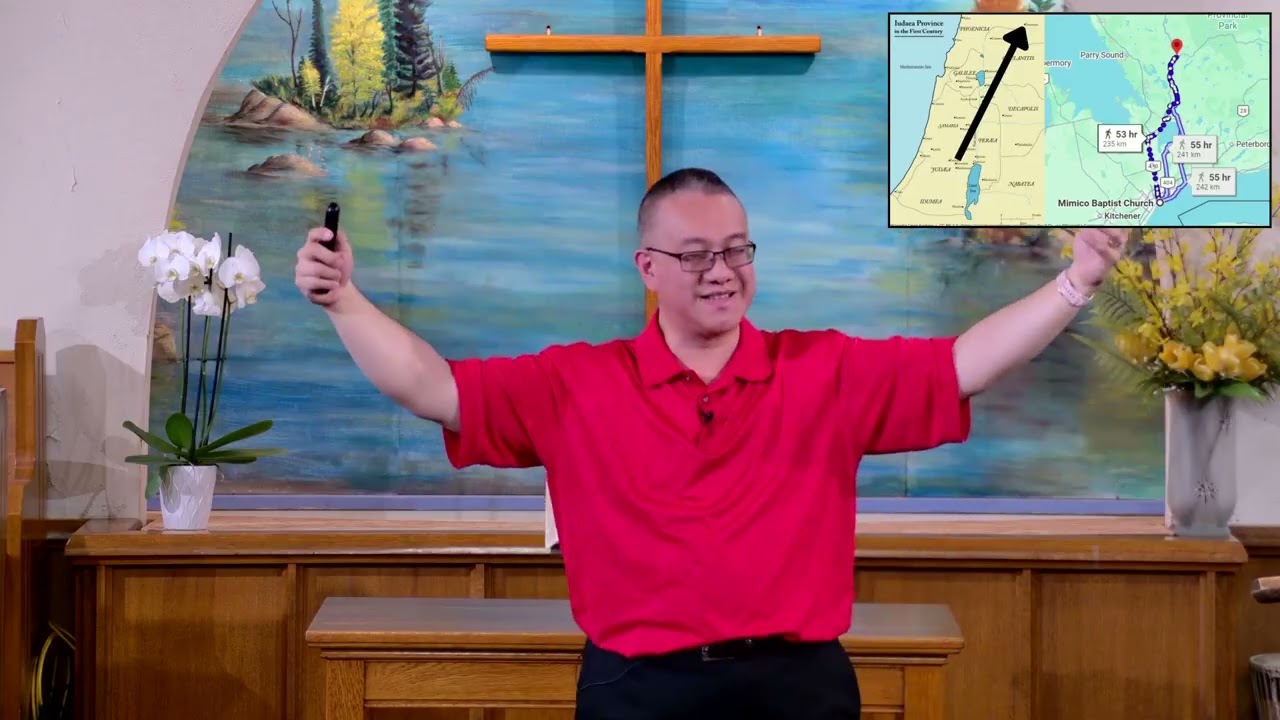
sermon: Pauses in Prayer … Together (Acts 9:10-12) with Rev. Alvin Lau
Follow-up Questions
- What does it mean to “yield” in prayer, and why can it be difficult?
- When you pray, do you usually spend more time talking or listening? What might change if you added quiet time to listen?
- Is there one situation in your life right now where you can pause, ask God briefly, and then intentionally listen this week? What will you do differently when you pray about it?
How to Pray and Actually Listen (A Simple Guide)
Sometimes we think prayer is just talking to God. But prayer is also listening. And listening can be the hardest part.
Here’s a simple way to understand prayer using the word PRAY:
- P – Praise: Tell God what you love about Him
- R – Repent: Recognize our wrongdoing and turn back to God’s way
- A – Ask: Tell God what you need
- Y – Yield: Be still and listen
Today we’ll focus on the last part: yielding—waiting and listening for God.
Why Listening Matters
Waiting doesn’t mean doing nothing.
Waiting means being quiet and ready, like someone expecting an important message.
The Bible shows us this in a story about two people: Saul and Ananias.
Acts 9:1–19
- Saul was on his way to arrest Christians.
- Suddenly, Jesus spoke to him, and Saul became blind (Acts 9:3–9).
- At the same time, God spoke to another man named Ananias in a vision.
Acts 9:10–11
“Ananias!”
“Yes, Lord,” he answered.
Notice something important:
Ananias was ready. He didn’t panic. He was already listening.
God told him to go help Saul, even though Saul was a threat.
Ananias obeyed, prayed for Saul and Saul’s sight was healed (Acts 9:17–18).
This happened because both men were willing to listen and obey.
What This Means for Us
God still speaks today.
Not always in loud voices, but through thoughts, Scripture or quiet nudges.
But we often miss it because:
- We talk too much
- We rush
- We don’t pause
Listening to God takes practice.
Try This: Two Simple Prayer Moments
1. Personal Prayer (Ask + Yield)
Time: 3–5 minutes
Step 1: Ask (Keep it short)
- Quietly tell God one thing on your mind.
- Use just 1–2 sentences.
Example: “God, I’m worried about school. Help me know what to do.”
Step 2: Yield (Listen)
- Stop talking.
- Sit quietly.
- Pay attention to any thoughts, words or feelings.
If something comes to mind, write it down. (Note: If you do receive a word, feel free to share it with a trusted Christian to see if it aligns with God’s will.)
If nothing comes, don’t worry. Sometimes God asks us to wait.
2. Community Prayer (Listening Together)
Focus on Mimico Baptist’s vision statement: A community of Christ sharing Christ with our communities.
Step 1: Ask Together
- Pray (alone or with a partner): “God, what do You want us to see or do?”
Step 2: Listen
- Ask:
- Is there a word that comes to mind?
- Is there an image you picture?
Step 3: Capture It
- Write or draw what you sensed.
- Share it with others.
You may start to see patterns—ways God is guiding your group.
A Final Thought
God brought Saul and Ananias together in a powerful way.
Not by accident. but because both were paying attention.
You don’t have to hear God perfectly right away.
Just start here:
- Be quiet
- Be open
- Be ready
And trust that God is already speaking.