
In recent years, Romans 13:1–7 is cited by governments and public figures as proof that Christians must obey whatever their governing authorities command. At first glance, Paul’s words may seem to support that conclusion. But is God calling His people to blind obedience, or is He calling us to consider a different posture that honours Him?
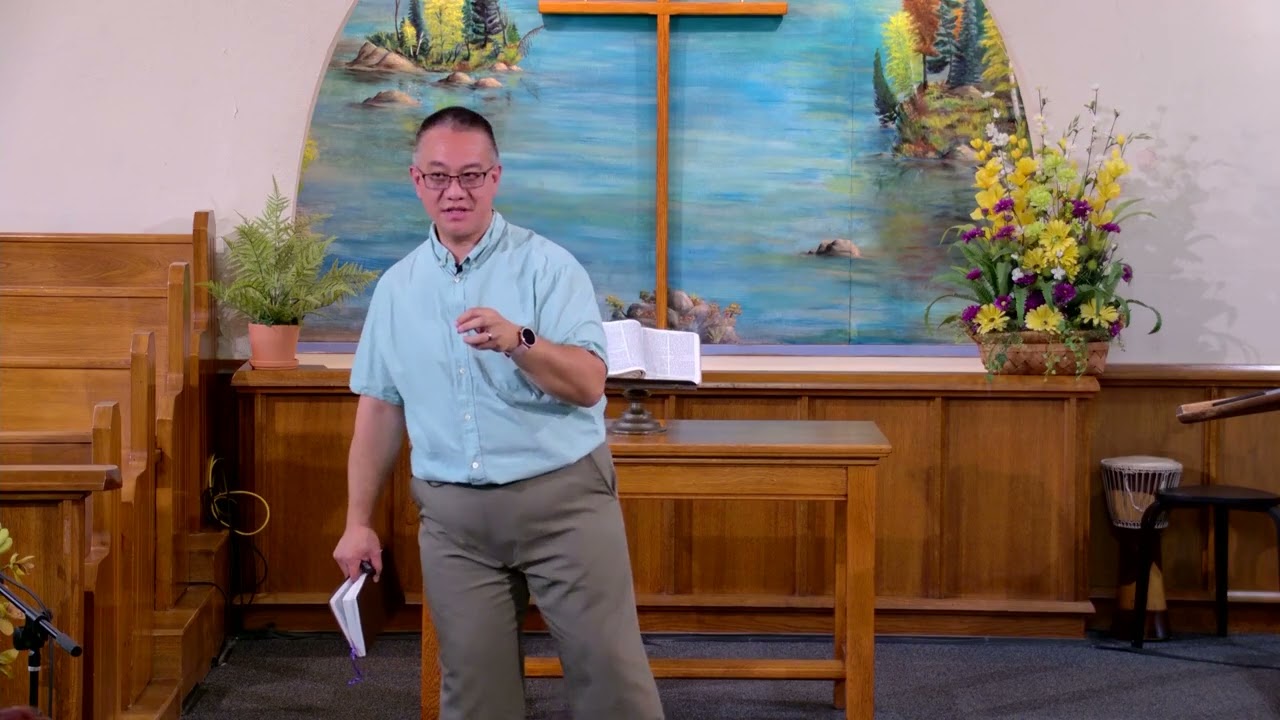
sermon: Blind Obedience or Faithful Honour? (Romans 13:1-7) with Rev. Alvin Lau
Follow-up Questions
- According to Romans 13:1–7, what is the difference between submitting to governing authorities and blindly obeying them?
- Think of a government leader, policy or decision that you strongly disagree with. How does the call to respect and honour those in authority challenge your attitude or response?
- What is one practical way you can live out a Christ-like posture toward governing authorities this week—whether through prayer, respectful speech, civic engagement, or another action?
The Church and Government: A Better Question to Ask
Most people have opinions about government. We talk about what leaders should do, what they should stop doing, and whether we agree with their decisions. Christians are no different.
But when it comes to government, the Bible challenges us to ask a deeper question: How should followers of Jesus relate to authority, even when they disagree with it?
Romans 13:1–7 is one of the most discussed passages on this topic. At first glance, it seems straightforward: believers are told to submit to governing authorities because authority ultimately comes from God (Romans 13:1-2).
Yet the issue becomes more complicated when governments make decisions we disagree with, or even decisions that seem wrong.
Submission Is Not the Same as Blind Obedience
One important observation from Romans 13 is that Paul speaks about submitting to authorities, not blindly obeying everything they say. Submission is a posture of recognizing that God has established structures of authority in society. It means acknowledging our place before God and respecting the responsibilities given to leaders.
At the same time, Scripture contains examples of God’s people refusing to violate God’s commands when human authorities demanded it (Acts 5:29). Paul himself did not always obey the authorities (which is why he was in prison at least three times).
This creates a tension: Christians are called both to respect governing authorities and to remain faithful to God above all else.
Respect Even When You Disagree
The Apostle Paul wrote Romans 13 while living under the Roman Empire, a government that was far from perfect.
Paul himself experienced imprisonment and persecution. Yet he still taught Christians to recognize the role of government in maintaining order and restraining wrongdoing (Romans 13:3-4).
That means disagreement does not give us permission to treat leaders with contempt.
In today’s world, it can be easy to mock politicians online, assume the worst about people in power, or speak as though those we disagree with are beyond redemption. Scripture calls us to something different.
Respect does not mean agreement. Honour does not mean endorsement.
Instead, respect means recognizing the dignity of people made in God’s image and acknowledging the responsibilities they carry.
What About Civil Disobedience?
There may be times when Christians conclude they must obey God rather than human authorities. History contains many examples of believers taking costly stands for justice, truth and faithfulness. Paul himself lived this out.
But when that happens, Scripture points toward a humble approach rather than a rebellious one.
A Christian who resists an unjust command should do so with a clear conscience, without hatred, and while accepting the consequences that may follow. The goal is not to seize power or put ourselves above others, but to remain faithful to Christ.
A Simple Test
When we disagree with leaders, it is worth asking:
- Am I acting out of faithfulness to God, or out of anger?
- Am I treating others with dignity, even when I believe they are wrong?
- Am I speaking in a way that reflects Christ?
- Am I praying for leaders as much as I criticize them?
Scripture urges believers to pray for those in authority. That may be one of the hardest yet most important response available to us.
Living as a Faithful Witness
Christians will not always agree with government decisions. Nor should they expect to.
But Romans 13 reminds us that our witness is shaped not only by what we believe, but by how we engage with people we disagree with.
We can be thoughtful without being hostile.
We can disagree without dishonouring.
We can stand firm in conviction while remaining humble.
And through it all, we can pray that God grants wisdom to those who lead, trusting that He remains sovereign over every authority and every nation.