
Have you ever noticed that Christians use a lot of pictures and symbols to talk about Jesus?
A lamb. A sacrifice. Water. Bread and a cup.
To someone looking from the outside, those images can seem a little strange. But those images seem incomplete, as if they were clues pointing to something bigger?
The Day of Atonement and its association with Jesus Himself exemplifies what God did in helping His people understand who He is and what He is doing.
Carrying to today, other symbols like baptism and communion reminds us of God’s continuing work.
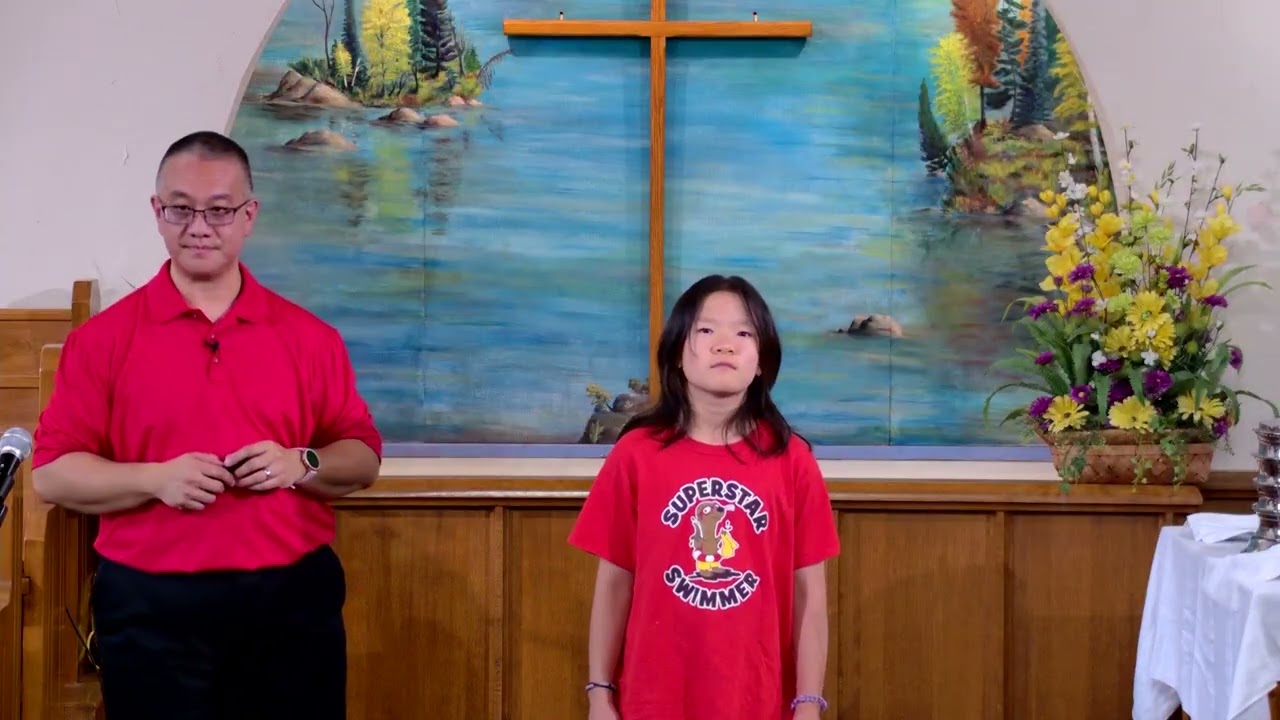
sermon: Faint Outlines, Perfect Saviour (select verses from Leviticus 16, John 19-20) with Rev. Alvin Lau
- How did the two goats in Leviticus 16 help Israel understand God’s plan for dealing with sin, and how does Jesus fulfill what those goats represented?
- What does it mean to you personally that Jesus not only paid for sin but also carries it away, so that you do not have to keep carrying its burden yourself?
- Is there an area of your life where Jesus may be inviting you to trust more fully in His forgiveness and follow Him fully unconditionally? Why?
Why Did Israel Have Two Goats? A Simple Picture of What Jesus Came to Do
< 4 min read
Sometimes big ideas are easier to understand through pictures.
That’s how God often taught His people in the Old Testament. Many of the laws and ceremonies were not just rules to follow; they were visual lessons that pointed to a deeper reality.
One powerful example is the Day of Atonement (Yom Kippur), described in Leviticus 16.
The Day Everyone Watched
Once a year, the people of Israel gathered while the high priest represented them before God.
The high priest wore a special breastplate containing 12 jewels, representing the 12 tribes of Israel. He was seen to be carrying the people with him as he entered God’s presence.
Then two goats were brought forward.
Goat #1: The Sacrifice
One goat was selected to be offered as a sacrifice for sin (Leviticus 16:15).
This reminded the people that sin is serious and that forgiveness comes at a cost.
Goat #2: The Scapegoat
The second goat remained alive.
The high priest placed his hands on its head and symbolically confessed the sins of the nation over it (Leviticus 16:21-22).
The goat was then sent away into the wilderness.
As the people watched it disappear, they were given a vivid picture: their sins were being carried away from them.
The Ceremony Was Pointing Forward
The Day of Atonement was powerful, but it was never meant to be the final solution.
The New Testament explains that these sacrifices were a shadow of something greater that was still to come (Hebrews 10:1-4).
They taught God’s people what forgiveness looked like, but they could not permanently remove sin.
Jesus Fulfills the Picture
When John the Baptist saw Jesus, he declared:
“Look, the Lamb of God, who takes away the sin of the world!”
— John 1:29
Jesus became both the sacrifice and the sin-bearer.
Like the first goat, He gave His life. Like the second goat, He carried away the sin of others.
But unlike the annual sacrifices in Israel, Jesus’ sacrifice only needed to happen once.
Hebrews says:
“We have been made holy through the sacrifice of the body of Jesus Christ once for all.”
— Hebrews 10:10
And:
“Day after day every priest stands and performs his religious duties… But when this priest had offered for all time one sacrifice for sins, he sat down at the right hand of God.”
— Hebrews 10:11-12
What This Means for Us
The two goats in Leviticus were a picture. Jesus is the reality. They showed Israel what God was planning to do. Jesus accomplished it.
Because of Him, forgiveness is not something we earn. It is something He provides through His death and resurrection.
What began as a dramatic image in Leviticus 16 finds its fulfillment in John 1:29 and Hebrews 10:1-12: the Lamb of God has come, and He takes away the sin of the world.