
Paul continues his instructions and encouragement for us to live lives that are in-line with our reconciliation with Jesus. He begins the section: “let Jesus Rule…” Then he seems to describe a worship service; teach each other, sing together, and show gratitude to each other.
We understand that worshipping God is our whole lives (and Paul teaches that in the rest of chapter 3), our worship services — our singing together, praying together, learning together, being together — are to be central to our growth and community.
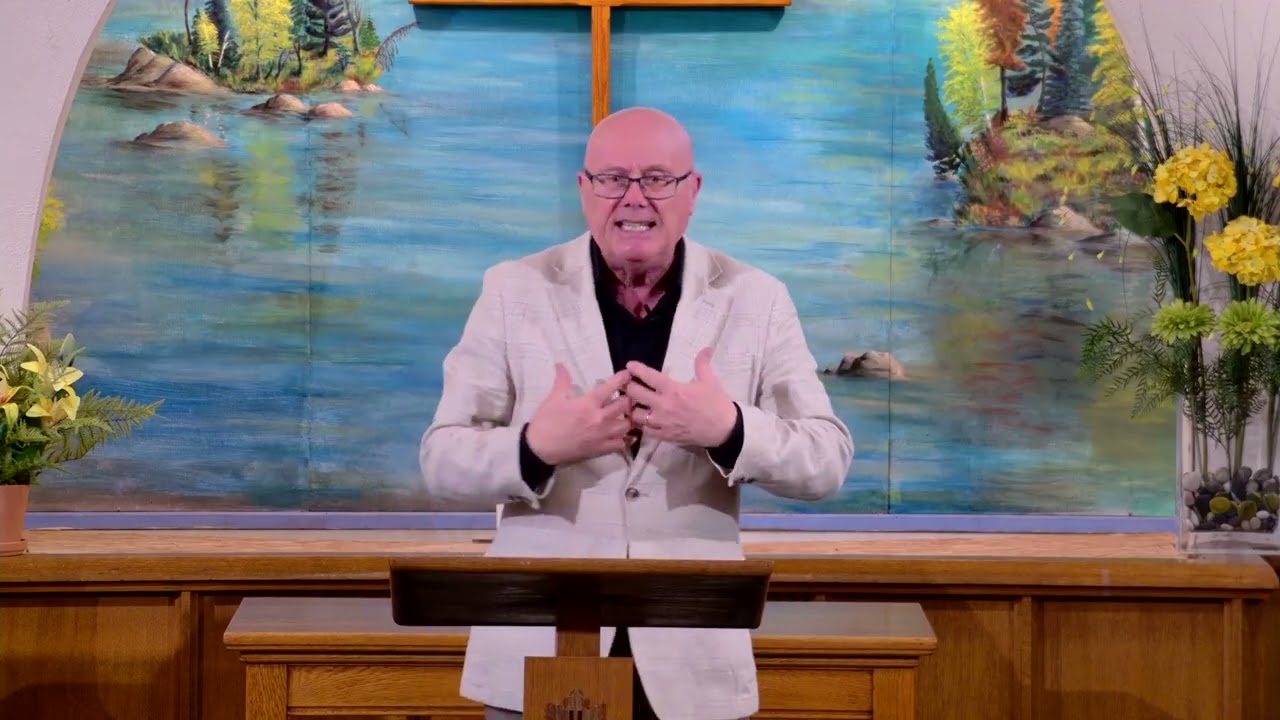
sermon: Grow Together (Colossians 3:15-17) with Rev. David Donaldson
Follow-up Reflection Questions
- Paul notes we were called to peace “as members of one body”. How does personal peace with God affect the unity and harmony of your church community?
- Verse 16 directs the whole congregation—not just leaders—to teach and admonish one another. In what ways can we “admonish” (caution or gently reprove) each other in a way that is filled with grace?
- To do something in the “name of the Lord” means acting consistently with His character and authority. How would your daily tasks (at work, home, or school) change if you treated them as direct representatives of Jesus?
Grow Together: Peace, Word and Gratitude
(Based on Colossians 3:15–17)
Sometimes Bible passages sound like a list of things we’re supposed to do:
Be peaceful. Read the Bible. Be thankful. Do things the right way.
But when we slow down and really listen, we notice something deeper going on.
In Colossians 3:15–17, Paul isn’t just talking to individuals. He’s talking to a community. He’s describing what life looks like when people grow together.
“Let the peace of Christ rule in your hearts, since as members of one body you were called to peace… Let the word of Christ dwell in you richly… And whatever you do, whether in word or deed, do it all in the name of the Lord Jesus, giving thanks to God the Father through him.”
— Colossians 3:15–17
Peace Isn’t Just Personal
When we hear “peace,” we often think about the avoidance of conflict, maybe even that inner calm feeling. Jesus does promise peace for our hearts.
But Paul goes further. He reminds us that we are “members of one body.” That means peace is not only something we feel, but something we practice together.
Biblical peace (the word shalom) is more than the absence of conflict. It’s about wholeness, healing and restored relationships. It’s not just peacekeeping (“let’s not fight”), but peacemaking (“let’s deal with what’s really going on”).
Paul says this peace should “rule” among us like an umpire in a game. When peace is doing its job, it keeps things fair, helps us move forward and stops everything from falling into chaos.
Gratitude Is Not Optional
At first glance, “be thankful” can feel like a throwaway line. But repetition matters; gratitude shows up again and again in these verses.
Gratitude isn’t just a feeling. It’s a discipline.
We live in a culture fueled by dissatisfaction. There’s always something more we should want, buy or achieve. Gratitude pushes against that. It teaches us to notice what we’ve already been given.
Paul echoes this same idea elsewhere:
“I have learned the secret of being content in any and every situation… I can do all things through Christ who gives me strength.”
— Philippians 4:12–13
This verse isn’t about winning or achieving whatever we want. It’s about learning contentment, finding strength in Christ even when life is hard or incomplete.
Gratitude reshapes how we live together.
Let the Word Fill the Room
Paul encourages the community to let “the word of Christ dwell in you richly” (Colossians 3:16).
“Richly” means more than knowing a few verses. It means the words and ways of Jesus are so present among us that they spill over—into our conversations, our decisions, our worship and how we care for one another.
This happens as we:
- Teach and learn from each other
- Wrestle with Scripture together
- Sing words that shape our faith and imagination
The goal isn’t performance. It’s formation. It’s us becoming people whose lives reflect Jesus more and more.
No Divide Between Sacred and Everyday
Paul ends with a big statement:
“Whatever you do, whether in word or deed, do it all in the name of the Lord Jesus.”
— Colossians 3:17
This removes the idea that some parts of life are “spiritual” and others are not. There isn’t a sacred box and a secular box.
Instead, Jesus is meant to be woven into everything: family, work, church, rest, relationships, choices and conversations.
To live “in the name of Jesus” means:
- Acting with his character
- Living under his authority
- Moving toward his purposes
A simple way to say it is this: Be with Jesus. Become like Jesus. Do what Jesus did.
Growing Together
Colossians 3:15–17 invites us into a shared way of life:
- Peace that shapes our relationships
- Words that form us together
- Gratitude that anchors everything
This isn’t about getting it all right. It’s about learning, worshiping, serving, and growing together, with thankful hearts.