
Paul’s purpose for writing Colossians is to build up the community of Christ — the church — to live a life that is growing in knowledge of God, that is growing in fruit of the gospel to our communities, that is standing in contrast to the idols and empires of the world around us. In the book so far, Paul lays a theological foundation. In chapter 3, he turns to pragmatic and specific ways of living that, first (the old) tear apart community and are inherently idol-worshipping. His warnings are summed up by reminding us that our new lives in Christ reflect the image of Jesus, our creator, in which there is no division. (oh, the second part of his teaching…that’s next week.)
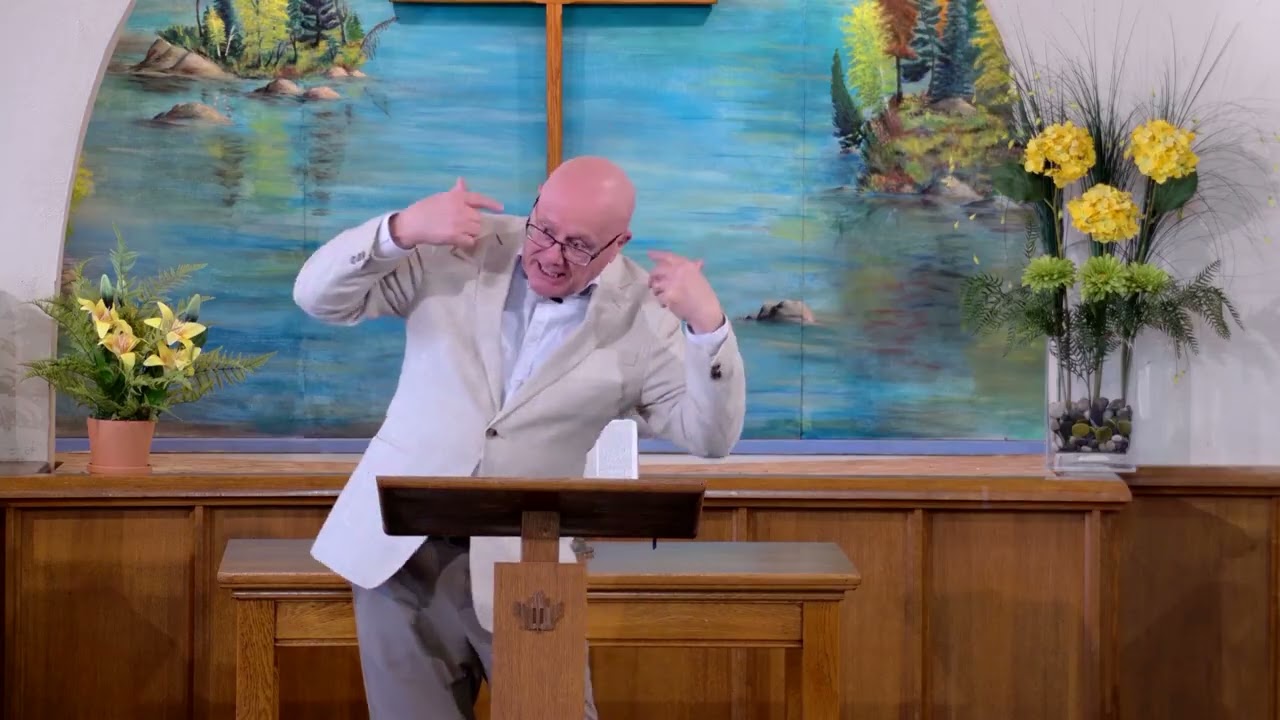
sermon: Put Off…the Old (Colossians 3:5-11) with Rev. David Donaldson
Letting Go of the Old and Living the New (Colossians 3:1–11)
Colossians 3:1–11 gives us a simple but powerful picture of what it means to follow Jesus:
take off the “old clothes” of our past ways of living, and put on the “new clothes” God gives us.
It’s like choosing every day what kind of person you want to be: someone shaped by God’s love or someone shaped by the pressures around you.
1. Start With Your Mind: Look Upward (Colossians 3:1–4)
Paul begins by saying:
- Set your heart on things above.
- Set your mind on things above.
In simple terms: Keep your focus on God—His ways, His love and His future for you.
It’s easy to get pulled into the worries, temptations, or stress of everyday life. But Paul reminds us that our real life, our truest identity, is “hidden with Christ in God” (v. 3). That means we belong to Him, and our lives are shaped by something bigger than today’s struggles.
2. Let Go of What Hurts You (Colossians 3:5–7)
Paul lists a group of inner struggles:
- sexual immorality
- impurity
- lust
- evil desires
- greed (which he calls idolatry)
All of these begin in the heart. Jesus said something similar in Matthew 5:27–28: wrong actions start with misplaced desires.
Greed sits at the end of the list because it describes the whole problem: a craving to take, control or consume something (or someone) for ourselves.
This kind of life breaks relationships, harms communities and leaves people empty. Paul says these patterns belong to our old life—the one we’ve already left behind.
3. Notice the Consequences (Colossians 3:6)
Paul says, “because of these, the wrath of God is coming.”
That can sound scary, but think of it like this: When we live in ways God didn’t design us for, we experience natural consequences like broken trust, damaged hearts, shame and hurt. These aren’t punishments from far away; they’re the results of living outside God’s good design.
When we misuse anything (an appliance, a relationship, even our own desires) it breaks. God’s warnings are not to shame us but to protect us.
4. Take Off the Old Clothes (Colossians 3:8–9)
Paul gives another list, this time about how we treat others:
- anger
- rage
- malice
- slander
- filthy language
- lying
These also belong to the “old self”, the version of us shaped by fear, shame and self-protection.
But Paul says we’ve already taken off that old self. We are already new because of Christ (see also Colossians 1:21–22).
So now we learn to live like the new people we actually are.
5. Put On the New: A United Community (Colossians 3:10–11)
Here’s the big finale:
“Here there is no Greek or Jew… barbarian, Scythian, slave or free, but Christ is all, and is in all.” (v. 11)
In simple terms: None of the labels people use to divide us matter anymore. Not race, culture, status, background, or anything else.
We belong to Christ first.
And because of that, we belong to each other.
The new life Jesus gives us creates a community where everyone is equal, valued, and loved.
A Simple Question for Today
Paul’s teaching comes down to this:
What “old clothes” are you still holding onto?
—old habits
—old fears
—old shame
—old patterns of reacting
—old ways of seeing yourself
And what new clothes is God inviting you to put on?
Because Christ is all, and Christ is in all, and He makes a new way possible.