
The final goal of ministry is spiritual formation; ours, and those who we serve. Spiritual formation is becoming like Jesus — growing in humility, service and community. As we complete our series about ministry teams, we consider that the pragmatic “life” in a ministry team includes Love — for those in our team and those we serve, Learn — we grow together, challenge each other and confess to each other, Serve — do the tasks of our ministry and reach out into our communities.
sermon: Living and Being Formed in Teams (Hebrews 10:24-25) with Pastor David Donaldson
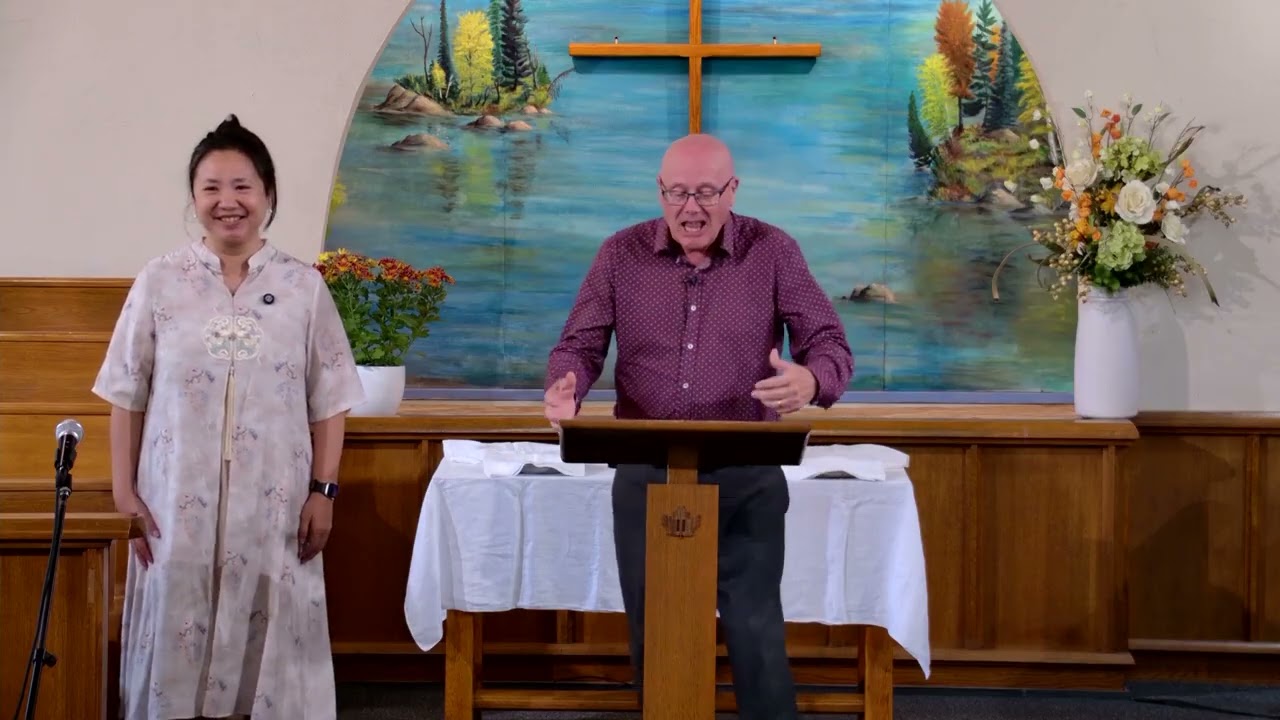
Formed in Community: A Reflection on Ministry Teams and Communion
“To love another person is to see the face of God.”
This quote from Les Misérables may have originally referred to romantic love, but it beautifully echoes a deeper truth about Christian community and ministry. As we conclude our series on ministry teams at Mimico Baptist Church, we reflect on how love—particularly agape, the sacrificial, self-giving love of God—shapes our identity and our service.
Ministry in Teams: More Than Just Efficiency
The phrase “many hands make light work” is true, but ministry teams are about more than just getting things done. They are about formation—spiritual, emotional and communal. We are shaped by the people we serve with. Our identity is formed in the context of community and this is no accident. The root of the word “communion” is the same as “community,” and both point us toward transformation.
Becoming Like Jesus
The spiritual goal of ministry is simple: to become more like Jesus. Jesus embodied humility, agape love and service. As we grow in these virtues, we reflect His image more clearly. Hebrews 10:24–25 reminds us of the importance of gathering together—not just for worship, but for encouragement, accountability, and growth:
“Let us consider how we may spur one another on toward love and good deeds, not giving up meeting together… but encouraging one another.”
Even in the face of persecution, the early church chose community. Their counter-cultural way of life—marked by humility, generosity and sacrifice—was a threat to the empire. Today, it remains a challenge to our society’s values of power, prestige, and ambition.
The Power of Encouragement
Words matter. Research shows that shaming words take just 3 seconds to imprint, while affirming words take 30 to 90 seconds to register. In community, we have the opportunity to speak life into each other—to affirm, encourage, and uplift. This helps us hear God’s affirmation more clearly: that He delights in us, sings over us, and loves us deeply.
In the sacred space of unconditional love, we become our true selves. Our identity is found in Christ and lived out in the body of Christ.
Confession and Accountability
One of the most powerful aspects of community is the ability to confess our sins and struggles to one another. This isn’t easy—it requires trust, maturity and discretion. But in smaller ministry teams, this kind of vulnerability can lead to healing and transformation. As we share our burdens, we support each other in becoming more like Christ.
Communion: The Ultimate Act of Love and Service
In the tradition of communion, we remember that Jesus died for both our sin and our sins. He demonstrated love and service in the most profound way—kneeling to wash the feet of His disciples, even Judas. Communion reminds us that we are called to do no less: to love and serve one another with humility and grace.
Let this be our prayer and our practice:
That our ministry teams would be places of love, humility and service.
That our community would be a space where identity is formed and transformation begins.
And that in all things, we would become more like Jesus.