
The ‘end’ of being in team is spiritual formation; ours and, in community, we contribute to each other’s formation. The ‘end’ is not getting a task done. Tasks certainly need to get done. However, the community of doing is first community. We need each other to grow; we see God’s face in the encouragement of another person. The African saying (Ubuntu): I am because we are. Notice the causation: my identity depends on being ‘we.’
sermon: Commitment to Community (1 Corinthians 12:4-6, 12-13) with Pastor David Donaldson
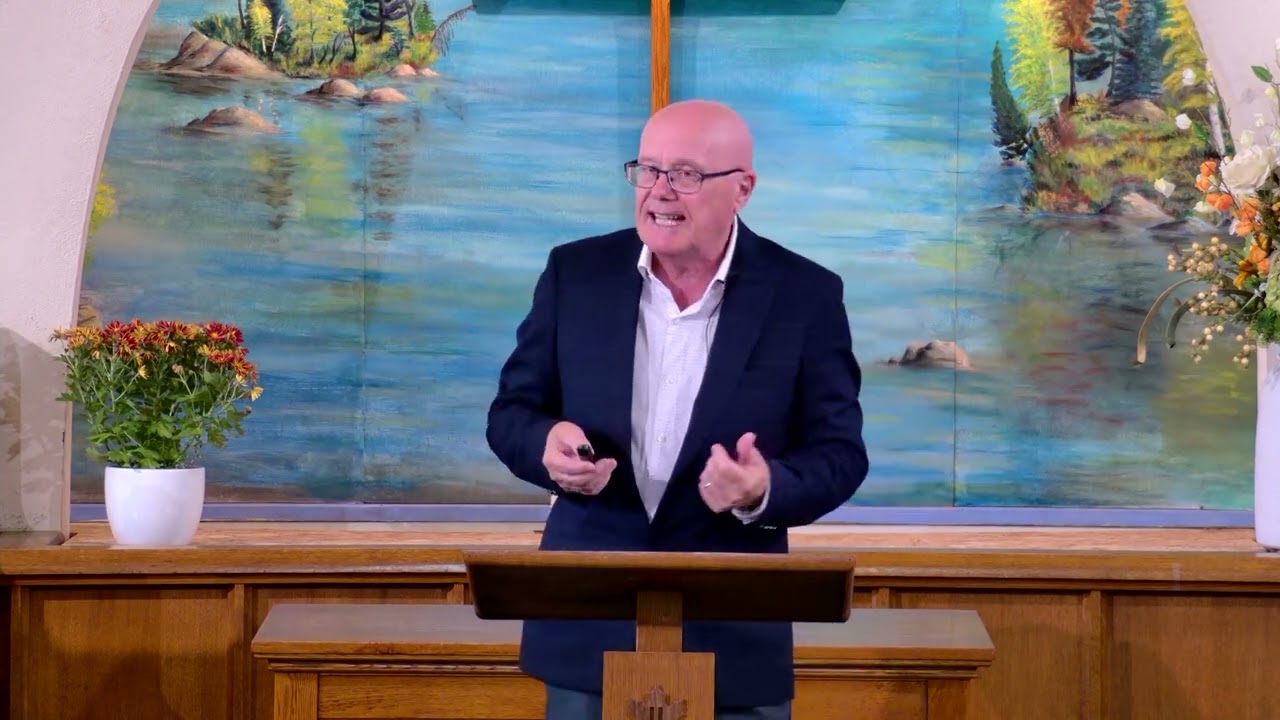
I Am Because We Are: Rediscovering Community in Ministry
In our ongoing series on ministry teams, we’ve arrived at a powerful theme: commitment to community. This week’s reflection centers around a proverb rooted in African philosophy—Ubuntu: “I am because we are.” It’s a simple yet profound truth that challenges the very foundation of Western individualism and invites us into a deeper understanding of what it means to live and serve as the body of Christ.
Community Shapes Identity
Our identity isn’t formed in isolation. Who we are is deeply shaped by the communities we belong to. If we had grown up in different communities, we would be different people. This isn’t just poetic—it’s practical. Our relationships, our shared experiences and our collective responsibilities mold us.
In Western culture, the elevation of the individual has led to a crisis of loneliness, especially among youth. Studies link this loneliness to rising rates of suicide. Could it be that our cultural obsession with independence has left us feeling disconnected and hopeless?
The Biblical Call to Togetherness
Scripture paints a radically different picture. From the Trinity—God the Father, Son, and Holy Spirit living in eternal relationship—to the early church, the Bible calls us to interdependence, not independence.
Romans 12:9–13 urges us to:
“Be devoted to one another in love… Share with the Lord’s people who are in need. Practice hospitality.”
Romans 13:9–10 reminds us:
“Love your neighbor as yourself. Love does no harm to a neighbor. Therefore, love is the fulfillment of the law.”
This love—agape love—is not self-serving. It’s concerned with the well-being of others. It’s the kind of love Jesus modeled, living not for Himself but for His disciples, for His community and ultimately for us.
Ministry Teams as Communities
When we talk about ministry teams, we’re really talking about communities. The goal isn’t just to accomplish tasks—it’s to grow together, to serve together and to reflect Christ together.
Too often, spiritual gifts are taught with an individualistic lens: “Discover your gift. Develop your gift. Use your gift.” While this is valuable, it can miss the point. Our gifts are meant to serve the body, not just ourselves. We don’t serve because it’s our right—we serve because it’s our responsibility.
The Body of Christ: A Living Unity
Paul’s metaphor of the body in 1 Corinthians 12 is striking:
“If the whole body were an eye, where would the sense of hearing be?”
We are not isolated parts doing our own thing. We are one body, with Christ as the head—not in a hierarchical sense, but as the source of life, direction, and purpose.
When one part suffers, we all suffer. When one part rejoices, we all rejoice. This is the essence of community. It’s why we pray together, celebrate together, and support one another through hardship.
A Countercultural Witness
In a world that doesn’t understand this kind of unity, we have the opportunity to be a countercultural movement. Not just a church that meets on Sundays, but a community that lives out the love of Christ every day.
We are called to be Christ on Earth—to live, serve, and love as one body. This isn’t just theology. It’s our mission.
Final Thought:
As we prepare for Communion Sunday, let’s reflect on how our ministry teams and our church community embody the life, death, and resurrection of Jesus. Let’s recommit not just to what we do, but to how we do it—together.